Urban History
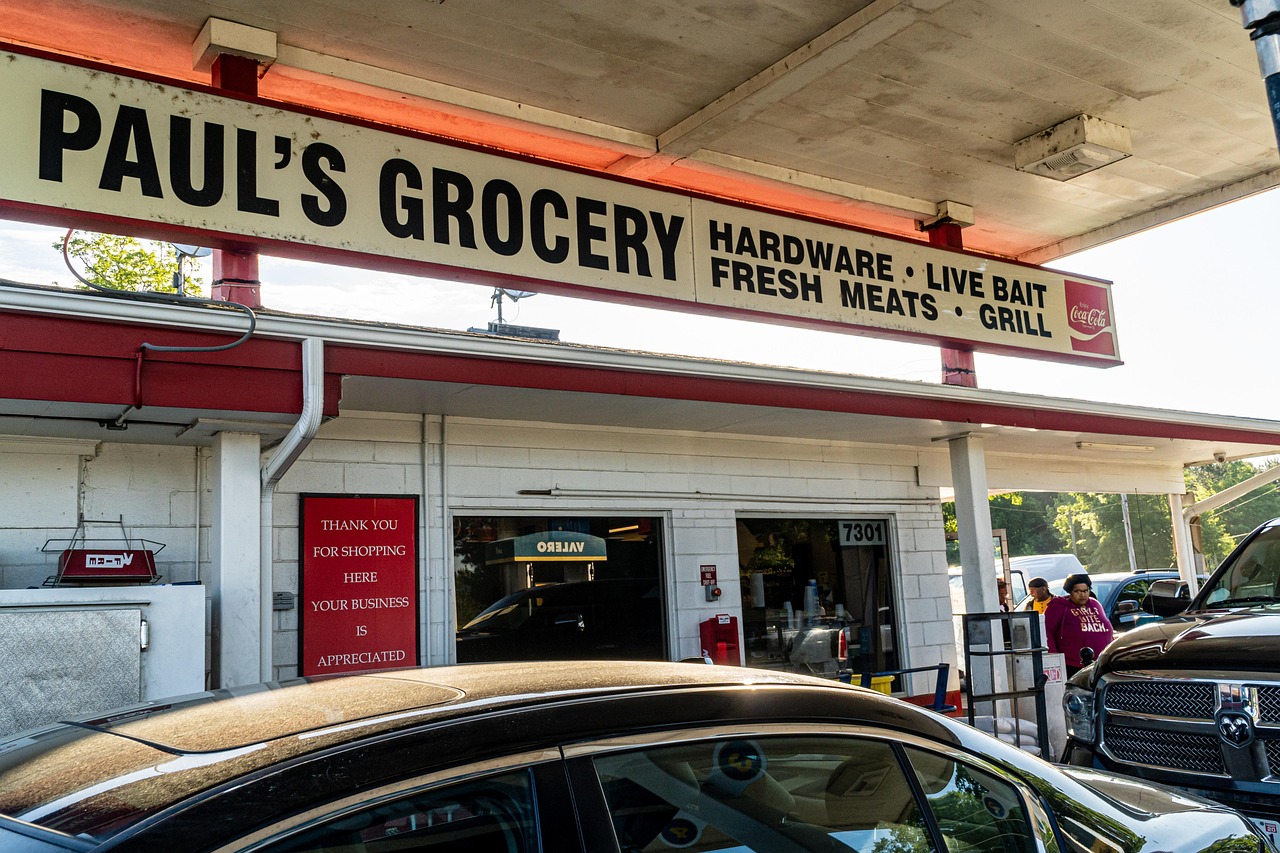
There is a kind of building that urbanists rarely write about because it is too ordinary to seem important: the small corner shop. Not the convenience store chain with a corporate sign, but the independent one, run by a family, open long hours, selling a little of everything and a lot of nothing in particular. These shops are the connective tissue of a block, and when they close, something more than retail disappears.
The corner shop does several jobs at once. It is a pantry for people who cannot easily get to a supermarket. It is a bulletin board, a lost-and-found, a place where a delivery can be left, a place where a child can wait for a parent. It is also, often, the only business on the block whose owner knows the names of the people who live above it. This is not sentimentality; it is infrastructure.
Corner shops tend to survive in places with a specific set of conditions: moderate density, a mix of ages and incomes, foot traffic that is steady rather than seasonal, and rents that have not yet run away. They also need a certain kind of street. A shop on a corner with a bus stop nearby and a school within a few blocks has a customer base that passes the door several times a day. A shop on a quiet residential street with no through traffic has a much harder time.
The architecture matters too. Old corner buildings often have a shop on the ground floor and apartments above, a configuration that spreads the cost of the land across several uses. When such a building is redeveloped into a single large residence or a chain pharmacy, the shop function vanishes and the block loses a small piece of its daily rhythm. This happens one building at a time, which is why it is easy to miss until it is done.
In immigrant neighborhoods, corner shops often do additional work as informal community centers. They stock ingredients that supermarkets ignore, they extend credit to regulars, they post notices in languages the city does not otherwise publish. When such a shop closes, the loss is not just convenience. It is a small institution.
You can learn a lot about a neighborhood by walking its commercial edges and noticing what kind of small businesses are present. A block with a corner shop, a laundromat, a barber, and a takeaway restaurant is a block where people live at close quarters and rely on each other. A block with a real estate office, a nail salon, and a vacant unit is a block in transition, where the local customer base is thinning.
None of this is destiny. Neighborhoods change, and some change is welcome. But the corner shop is one of the clearest instruments we have for measuring what a neighborhood actually is, as opposed to what it is advertised to be. If you want to know whether a place still works for the people who live there, do not read the property listings. Walk to the corner and see whether anyone is standing outside, talking to the person behind the counter. That conversation is the measurement.
