City Walking
Every few years a planning idea gets rediscovered and rebranded, and the fifteen-minute city is the current favorite. The pitch is simple: everything you need for daily life — groceries, school, clinic, a bit of green space, a place to sit and drink coffee — should be reachable in a quarter of an hour on foot or by bike. It sounds futuristic. It is actually archaeological.
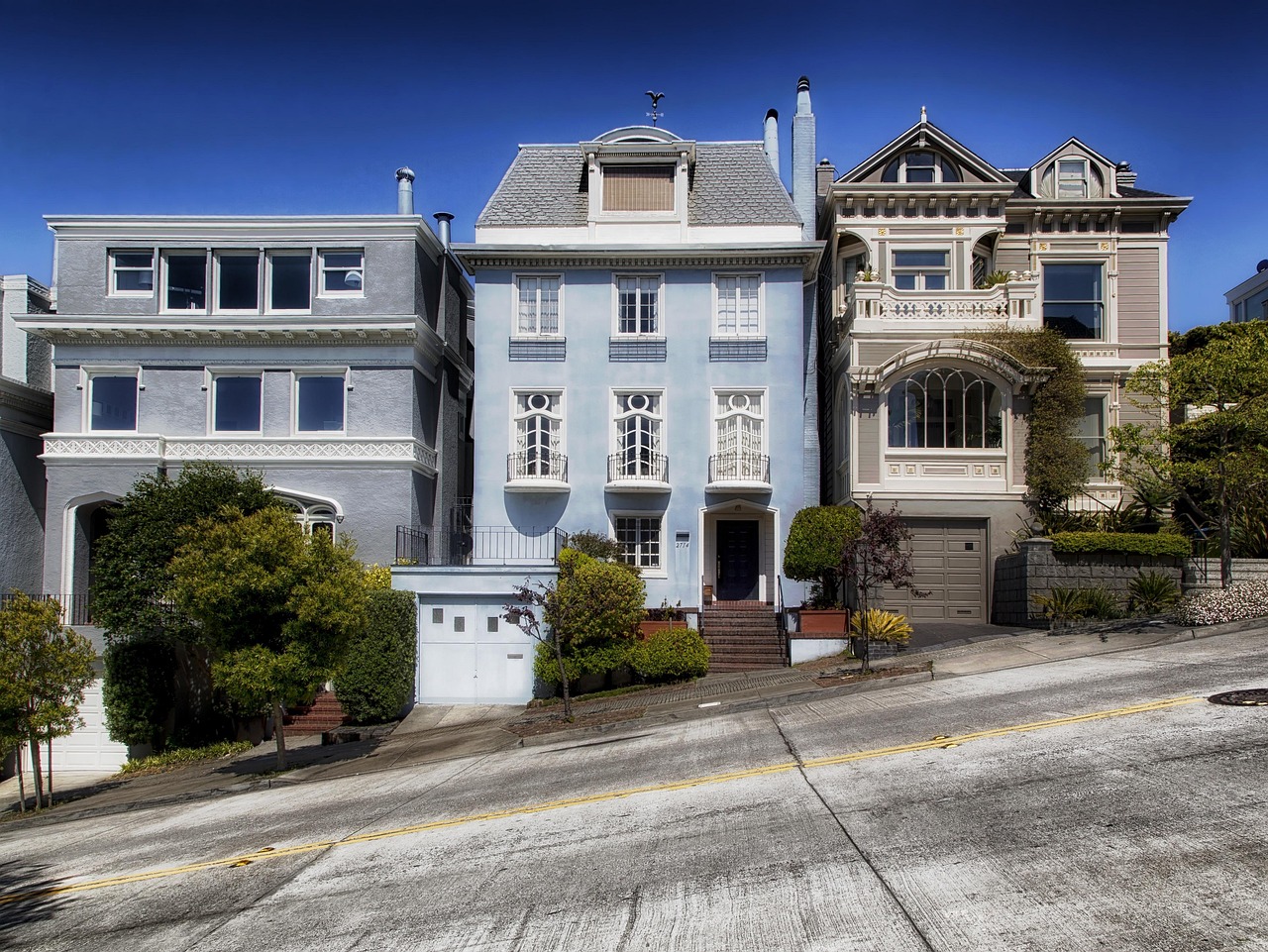
Walk through almost any pre-automobile neighborhood in a Western city and you are walking through a fifteen-minute city that was never called that. The corner store, the parish school, the doctor's house above his practice, the pub, the bakery, the tailor: these were not amenities added to a residential district. They were the district. Density was not a policy goal but a consequence of how far a person could reasonably carry a week's groceries.
The giveaway is often the street grid itself. Old walking neighborhoods tend to have short blocks and many intersections, because pedestrians will happily turn corners that drivers find tedious. They also tend to have a fine grain of small buildings rather than a few large ones, since each plot was built by a different owner for a different purpose. If you find a block where a bakery, a chapel, a hardware store, and six narrow houses share a hundred meters of frontage, you are looking at a pedestrian economy frozen in brick.
Then look for the seams. The moment cars arrive in the historical record, the pattern changes abruptly. Blocks get longer. Setbacks widen. A gas station appears at the corner where the pub used to anchor. In many cities you can date a street to within a decade just by measuring how much space it gives to the automobile. That is not nostalgia; it is reading a document.
The interesting question is why some of these neighborhoods still function as fifteen-minute districts and others do not. The usual answer is not design but economics. Where rents stayed low enough for small businesses to survive, the old fabric kept working. Where land values spiked, the bakery became a boutique and the neighborhood kept its walkability while losing its usefulness to the people who actually live there. Walkability without affordability is a stage set.
Planners trying to retrofit the fifteen-minute city onto car-dependent suburbs run into a hard truth: you cannot legislate a corner store into existence. What you can do is remove the rules that make it illegal. Minimum parking requirements, single-use zoning, and minimum lot sizes are the three biggest obstacles, and they are all recent inventions. Repealing them does not guarantee a walkable neighborhood, but keeping them guarantees the opposite.
The other lesson is about sequence. Old neighborhoods grew from the inside out, with density arriving first and amenities following the people. Modern developments often do the reverse, building the café and hoping the customers appear. It rarely works. If you want to understand how a real fifteen-minute city functions, do not read a planning document. Find the oldest surviving commercial street in your city, walk it slowly, and notice how many different needs are met within a few hundred meters. Then notice how much of it was almost certainly illegal to build today.
