Urban Planning
Most urban exploration advice tells you to go somewhere new. But some of the most interesting things about a city only become visible when you walk the same route again and again, at different times, in different weather, with different purposes. Repetition is underrated.
The first time you walk a route, you're mostly navigating. You're looking for street signs, avoiding obstacles, figuring out where you are. The second time, you start to notice the buildings. The third time, you notice the people. By the tenth time, you notice the things that change and the things that don't, and that's when the city starts to tell you its stories.
On a single walk, a closed storefront looks like a closed storefront. On a repeated walk, you notice whether it's been closed for a week or a year. You see the same person waiting for the same bus every morning. You notice that a particular tree drops its leaves two weeks before the others on the same block. You see a building get scaffolding, then a new facade, then a new tenant.
Repetition also trains your eye for the small anomalies that a first-time walker would miss. The house with the strange addition. The sidewalk that's a different color for one block. The street sign that's older than the others. These details are the fingerprints of a neighborhood's history, and they only become visible when you've seen the baseline enough times to notice when something deviates.
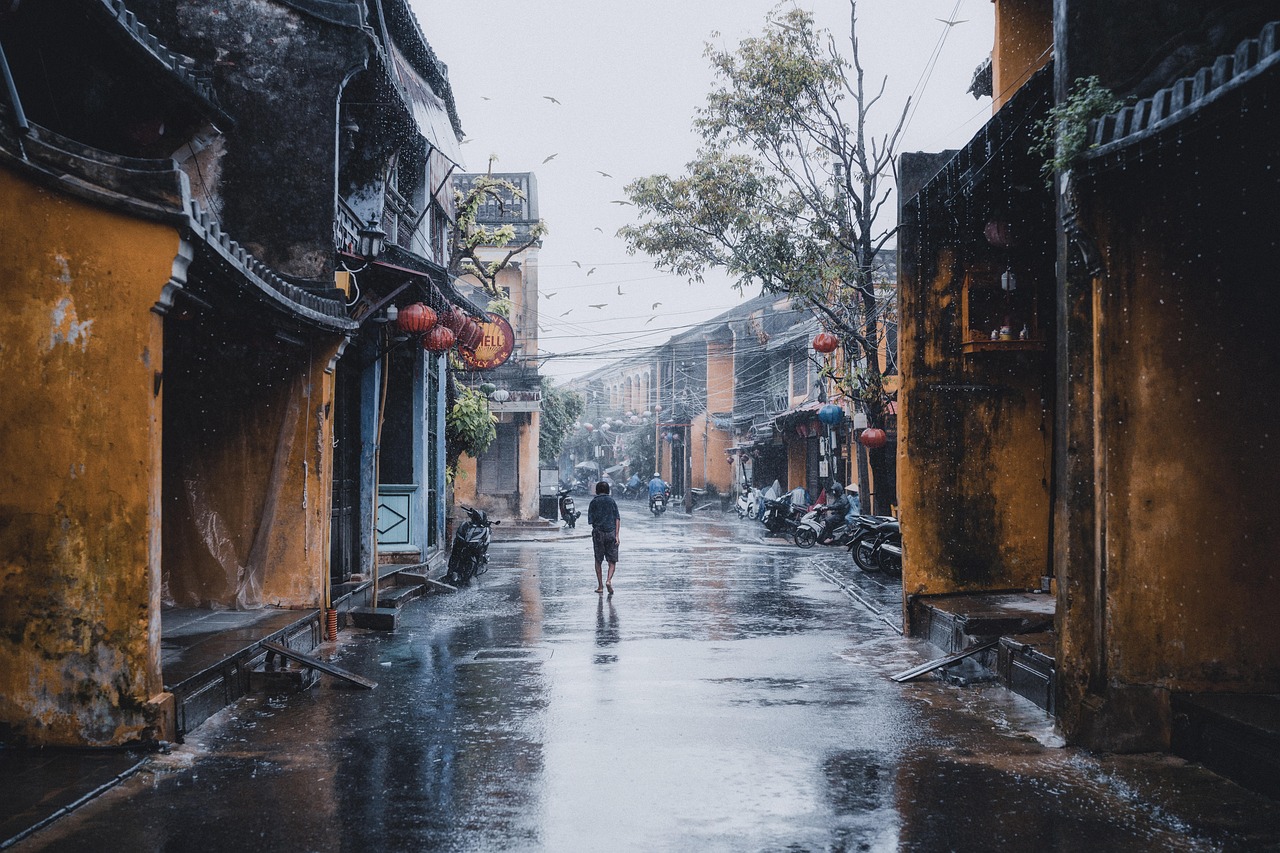
Pick a route that's long enough to be interesting but short enough to walk regularly, maybe twenty to thirty minutes. Walk it at different times of day. Walk it in the rain. Walk it in the snow, if you get snow. Walk it backwards, from the other end. Each variation changes what you see.
Keep some kind of record, even if it's just a note on your phone. A photo of the same corner every month, taken from the same spot, becomes a document. Over a year, you'll have something that no guidebook can give you: a personal record of how a place actually changes.
The city rewards attention more than novelty. A route you know well is a place where you can actually see what's happening, because you're not distracted by the effort of finding your way. That's the quiet advantage of walking the same way twice.
