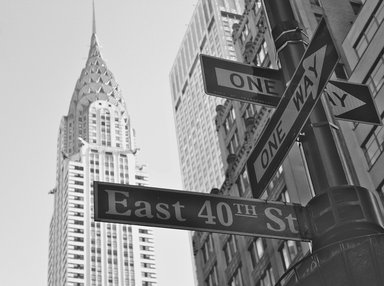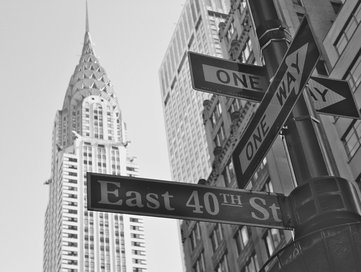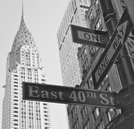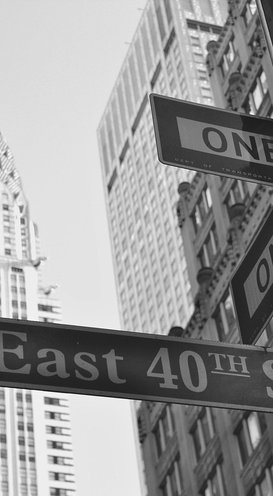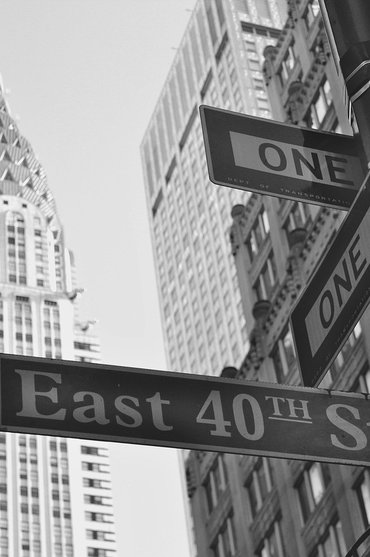
The Commissioners' Plan of 1811 gave Manhattan its famous grid, but the city's oldest streets refuse to obey it, creating a fascinating seam where two urban philosophies collide.
Under many modern cities run buried rivers and culverted creeks, and their invisible paths still shape where buildings crack, where basements flood, and where neighborhoods thrive.
Some city blocks change character in a single step, and the sharp edges between neighborhoods reveal more about urban identity than any smooth transition ever could.
Repeat walks through the same neighborhood reveal changes that a single pass would miss, turning familiarity into a kind of slow-motion urban observation.




 @Magazine Images